
Why Is Copper Peptide Becoming the Hottest Anti-Aging Secret in Skincare?
What Exactly Is Copper Peptide?
To understand its magic, we first need to break down what Copper Peptide is. It’s a naturally inspired complex formed by three amino acids—glycine, histidine, and lysine—bound to a copper ion (Cu²⁺). Discovered in the 1970s, this compound mimics the structure of copper-binding proteins found in human skin, which play a crucial role in maintaining skin health .
| With a molecular weight of around 400 Daltons, Copper Peptide boasts excellent skin permeability, allowing it to penetrate the epidermis and reach the deeper dermal layer where collagen and elastin reside. Unlike some harsh Anti-aging ingredients, it works in harmony with the skin’s natural processes: as we age, the copper ion concentration in skin decreases, and Copper Peptide replenishes this loss to rebalance the skin’s microenvironment. This biological compatibility is the foundation of its safety and effectiveness. | 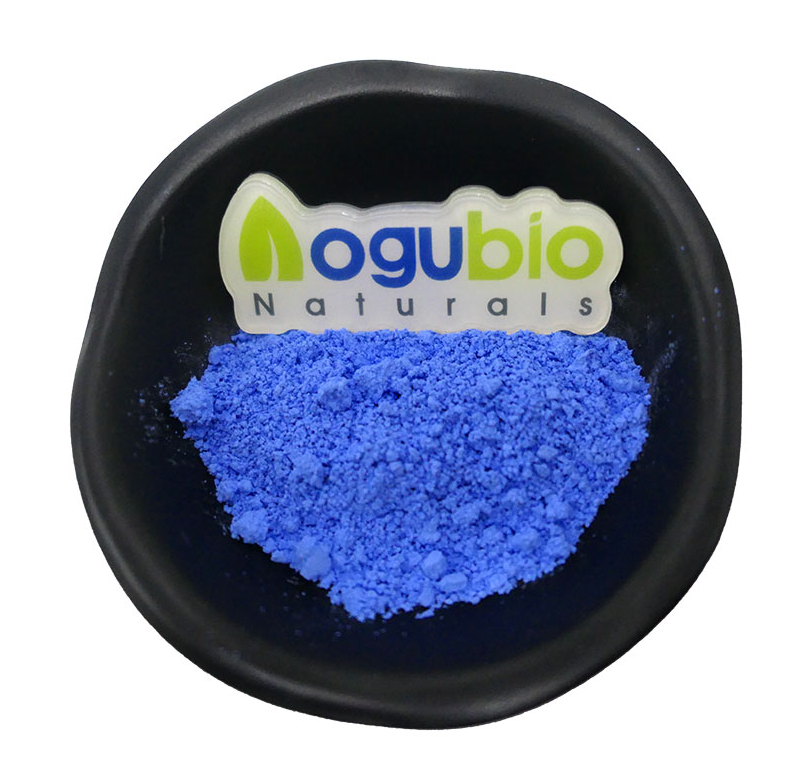 |
Advantages/Positive Features
- Stimulates Collagen and Elastin Production
Collagen and elastin are the building blocks of firm, youthful skin, and their decline is the primary cause of wrinkles and sagging. Copper Peptide targets this root issue through dual mechanisms: it activates metalloproteinases (MMP-2 and MMP-9) to break down old, damaged collagen, while also triggering the TGF-β/Smad signaling pathway to boost fibroblast proliferation.
- Powerful Antioxidant and Photoaging Protector
Sun damage and environmental pollutants generate free radicals that accelerate skin aging. Copper Peptideacts as a super antioxidant—its ability to neutralize hydroxyl radicals and peroxynitrite is 1.7 times stronger than Vitamin C. It also enhances the skin’s own defense system by stabilizing the Nrf2/ARE pathway, which increases the activity of superoxide dismutase (SOD) and glutathione peroxidase (GPx)—two key enzymes that fight oxidative stress. In photodamage studies, Copper Peptide pre-treatment reduced UV-induced DNA damage by 65% and decreased sunburn cell formation by 72%.
- Repairs Skin Barrier and Accelerates Healing
A healthy skin barrier is non-negotiable for youthful-looking skin, yet factors like harsh products, stress, and aging can weaken it. Copper Peptide excels at barrier repair by increasing the migration rate of keratinocytes (skin cells) by 2.3 times, shortening the time needed for the epidermis to regenerate. It also upregulates the expression of tight junction proteins (claudin-1 and occludin), which reduce transepidermal water loss (TEWL) by 40%.
For those with acne scars, post-procedure redness, or sensitive skin, this is a game-changer. Research shows it can reduce the duration of post-laser redness by 30% and stimulate blood vessel growth (via VEGF secretion) to improve skin circulation by 55%.
- Gentle Pigmentation Regulation
Unlike harsh brightening ingredients that can irritate the skin, Copper Peptide modulates melanin production without cytotoxic effects. It works by regulating tyrosinase activity (the enzyme responsible for melanin synthesis) and preventing melanin transfer to skin cells.
Product Advantages: Why Copper Peptide Outshines Other Anti-Aging Ingredients
What sets Copper Peptide apart from traditional anti-aging ingredients? Its unique combination of efficacy, safety, and versatility makes it a standout choice:
- Multi-targeted action: Unlike vitamin C (which mainly brightens and antioxidantizes) or retinol (which focuses on cell turnover), Copper Peptide addresses collagen loss, oxidative stress, barrier damage, and pigmentation—all key signs of aging—simultaneously.
- Exceptional safety profile: With a sensitization rate of less than 0.3% (compared to 2.1% for retinol), it’s suitable for sensitive skin, pregnant women (with doctor consultation), and those who can’t tolerate harsh ingredients. It has no phototoxicity, so it can be used morning and night.
- Synergistic with other ingredients: It pairs beautifully with other skincare staples. When combined with vitamin C derivatives, it stabilizes the vitamin C to enhance its efficacy. With hyaluronic acid, it creates a "moisture lock" effect that boosts hydration by 80%. When mixed with niacinamide, it amplifies brightening results by 1.4 times.
- Long-term stability: Modern formulation techniques like microencapsulation and liposome wrapping keep Copper Peptide active for 12 months at room temperature with a 98% retention rate. It’s stable in pH levels 6.0-7.5, making it easy to incorporate into creams, serums, and toners.
Applications in Cosmetics: How Brands Are Using Copper Peptide
As consumer demand for science-backed skincare grows, Copper Peptide has become a key ingredient in a wide range of products. Here’s how it’s being used in the cosmetics industry:
- Anti-aging serums: The most common application, with concentrations typically ranging from 0.05% to 0.2%—the sweet spot for efficacy . These serums are designed to target fine lines, sagging, and dullness, often paired with hyaluronic acid or peptides for enhanced results.
- Barrier repair creams: Brands like those featuring "Boswellia + Copper Peptide" formulations focus on strengthening the skin barrier while anti-aging . A 2025 lab test of such a cream showed a 17% increase in skin elasticity and 12.3% boost in moisture content after 90 days .
- Post-procedure products: Dermatologists recommend Copper Peptide-infused lotions for patients recovering from laser treatments or chemical peels, thanks to its healing and anti-inflammatory properties.
- Eye creams: Its ability to reduce under-eye wrinkles and improve skin density has made it a popular ingredient in eye care, as proven by the 12-week clinical trial on 41 women .
- Men’s skincare: It’s increasingly used in aftershave products to soothe irritation and repair skin damaged by shaving .
How to Choose a Quality Copper Peptide Product
With the ingredient’s popularity, not all products are created equal. Here are expert tips to ensure you’re getting a effective formula :
- Check the concentration: Look for products with 0.05%-0.2% Copper Peptide (GHK-Cu) listed clearly on the ingredient label.
- Prioritize pure formulations: Avoid products with alcohol, synthetic fragrances, or strong chelating agents like EDTA, which can deactivate Copper Peptide .
- Verify third-party testing: Reputable brands will provide clinical efficacy reports or skin safety test certificates (e.g., HRIPT sensitization tests).
- Consider the formulation: Liposomal or microencapsulated Copper Peptide ensures better absorption and stability.
Copper Peptide’s rise to fame is a testament to the skincare industry’s shift toward science-backed, gentle, and multi-functional ingredients. Its ability to address multiple aging concerns without irritation, supported by decades of research, has made it a favorite among experts and consumers alike. As more brands invest in innovative formulations and clinical studies, Copper Peptide is poised to remain a top anti-aging ingredient for years to come.
- Name: Yuki
- E-mail: sales02@nahanutri.com
- WhatsApp:+8618066950297